Are you dreaming of homeownership in Kansas City but find yourself priced out of move-in-ready homes? A fixer-upper might be your unexpected path to an affordable and personalized living space. This guide explores how renovation loans can transform a diamond in the rough into your dream home, making the seemingly daunting process of buying a fixer-upper more attainable than ever.
Understanding the Fixer-Upper Concept
What Defines a Fixer-Upper?
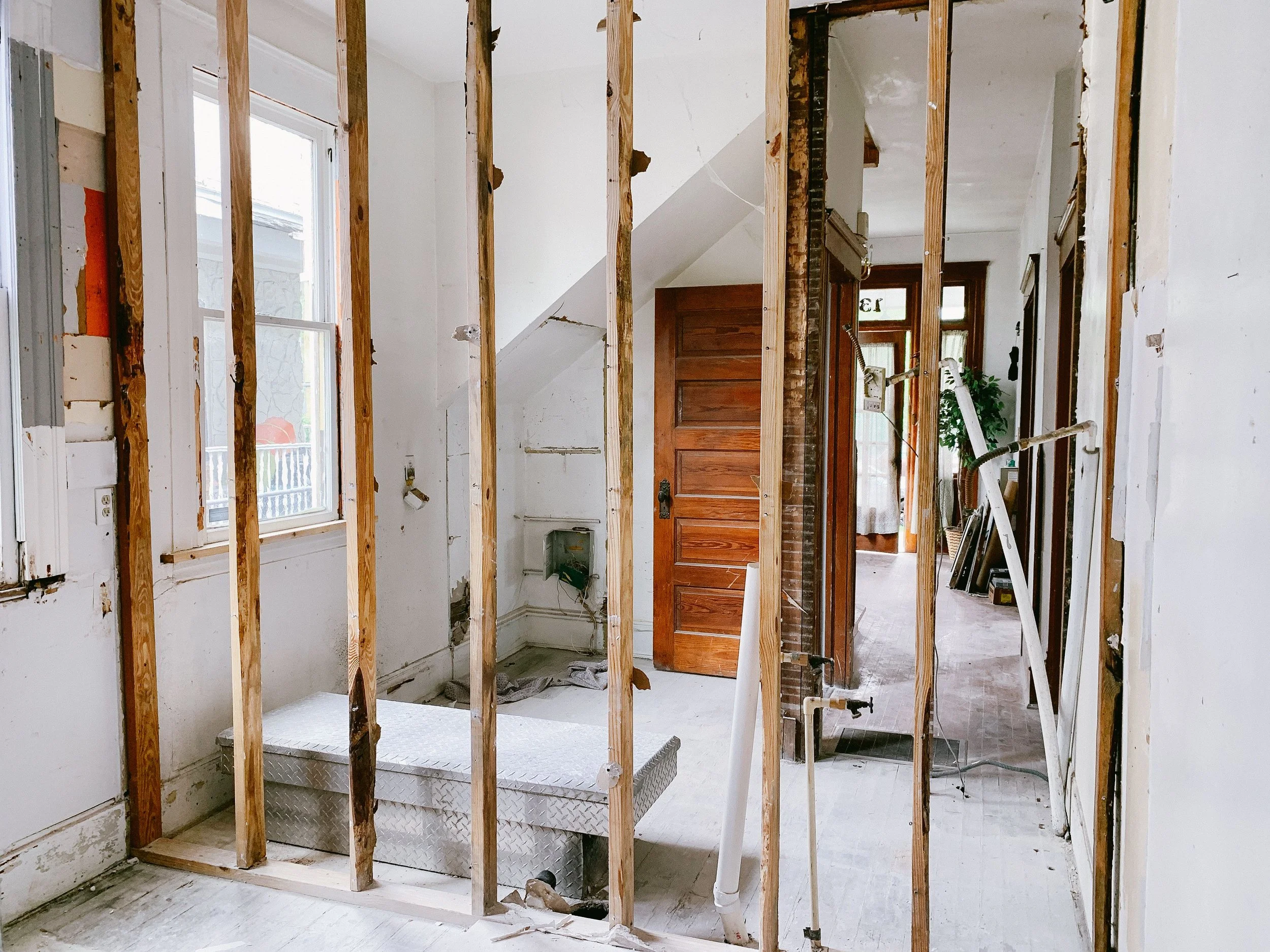
A fixer-upper is essentially a property that requires significant repair or renovation to bring it up to modern standards or a desired aesthetic. Unlike a move-in-ready home, a fixer-upper house typically has cosmetic or structural issues, offering a lower purchase price in exchange for the homeowner's commitment to a renovation project. These properties can range from needing minor home improvements to extensive overhauls, presenting a unique opportunity for home buyers willing to invest time and effort. The potential to renovate to your exact specifications is a major draw.
Benefits of Buying a Fixer-Upper House
There are numerous advantages to buying a fixer-upper, particularly when considering the long-term investment. One primary benefit is the lower purchase price compared to a comparable move-in-ready home, which can make homeownership more accessible. Additionally, homeowners gain the unique opportunity to customize the property to their exact tastes and needs, creating a truly personalized living space. This type of renovation often leads to increased home equity as the property's value appreciates post-renovation, making it a sound financial decision. It’s an excellent path to owning a home.
Cons of Buying a Fixer-Upper
While the allure of a fixer-upper is strong, it's crucial to acknowledge the potential downsides. The renovation cost can sometimes exceed initial estimates, leading to budget overruns. Unforeseen repairs, often discovered during a thorough home inspection, can significantly impact the overall renovation project and extend the timeline. Financing options can be more complex than a standard mortgage, and securing a personal loan for extensive work might not always be feasible. Additionally, the process demands a considerable time commitment from the homeowner to manage the renovations, which can be stressful.
Exploring Renovation Loans
What Are Renovation Loans?
Renovation loans are specialized financial products designed to assist homeowners in financing the purchase and renovation of a fixer-upper. Unlike a traditional mortgage that only covers the purchase price, these loans bundle the cost of buying a fixer-upper with the projected renovation expenses into a single loan. This integrated approach simplifies the financing process for home buyers looking to transform a fixer-upper house into their dream home, allowing for a comprehensive renovation project without the need for multiple loans.
Types of Renovation Loans Available
Several types of renovation loans cater to different homeowner needs and property types. The FHA 203(k) loan is popular for those buying a fixer-upper as a primary residence, enabling them to finance both the purchase and necessary repairs. For veterans, a VA renovation loan provides similar benefits with specific VA advantages. Additionally, the Fannie Mae HomeStyle Renovation Loan, also known as a HomeStyle loan, offers flexibility for a wider range of properties and renovation types, including investment properties. Each loan allows homeowners to embark on significant home improvement projects.
How to Qualify for a Fixer-Upper Loan
Qualifying for fixer-upper loans typically involves meeting specific criteria related to credit score, debt-to-income ratio, and the scope of the renovation project. Lenders will assess the homeowner's financial stability and the feasibility of the proposed repairs. A detailed home appraisal, which often includes an "after-renovation" value, is crucial. Additionally, a comprehensive home inspection and a detailed renovation plan outlining the estimated renovation cost are usually required to ensure the loan amount is appropriate for the intended home renovation.
Financial Aspects of Buying a Fixer-Upper
How to Finance a Fixer-Upper
Financing a fixer-upper involves more than just securing the purchase price; it requires strategic planning to cover the renovation cost. The most common approach is using renovation loans, which combine the purchase and renovation into one loan. This means instead of needing a separate personal loan or relying solely on savings for the home improvement, homeowners can integrate all expenses. Working with a knowledgeable real estate agent who understands these financing options can significantly streamline the process of buying a house that needs substantial work.
Understanding Fixer-Upper Mortgages
Fixer-upper mortgages are distinct from conventional home loans because they are structured to include the projected renovation expenses. These specialized mortgages, such as the FHA 203(k) or Fannie Mae HomeStyle, allow the homeowner to finance a fixer-upper with a single loan based on the property's anticipated value after the renovations are complete. This approach makes it more feasible to buy a home that requires significant repair, as the total loan amount covers both the initial purchase price and the subsequent renovation project, enhancing home equity post-renovation.
Calculating Costs: Purchase Price vs. Renovation Expenses
When purchasing a fixer-upper, it's vital to carefully calculate both the purchase price and the estimated renovation expenses to avoid financial surprises. This involves obtaining detailed bids from contractors for all anticipated repairs and home improvement projects. The total investment should be compared against the potential market value of the move-in-ready home after renovation to ensure it's a sound investment. Understanding the complete renovation cost upfront helps homeowners determine the appropriate loan amount and budget effectively for buying a fixer-upper.
Steps to Successfully Buy a Fixer-Upper House
Finding the Right Fixer-Upper in Kansas City
Finding the ideal fixer-upper in Kansas City requires a strategic approach to navigate the competitive real estate market. Collaborating with an experienced real estate agent who specializes in these types of properties is crucial. They can help identify potential fixer-upper houses that align with your budget and renovation goals, understanding that the initial purchase price is just one part of the overall investment. A good agent will have insights into neighborhoods with strong potential for appreciation after renovation, making your home improvement efforts a valuable addition to your home equity.
Evaluating the Condition of a Home That Needs Work
Before committing to buying a fixer-upper, a thorough evaluation of the property's condition is paramount. This involves not only an initial walkthrough but also commissioning a comprehensive home inspection. While a property may appear charming, hidden structural issues, extensive plumbing, or electrical problems can significantly increase the renovation cost. Understanding the full scope of repair work needed is vital for accurate budgeting and to ensure that the purchase and renovation align with your financial capacity, helping you avoid unexpected expenses in your renovation project.
Tips for First-Time Home Buyers
For first-time home buyers, navigating the world of fixer-upper loans and renovations can be overwhelming. It is essential to secure pre-approval for renovation financing early in the process to understand your budget for both the purchase price and the renovation cost. Researching various financing options, such as an FHA 203(k) or Fannie Mae HomeStyle loan, can provide clarity on what type of renovation you can undertake. Remember, patience and a clear vision for your home are key to transforming a fixer-upper into your dream move-in-ready home, making homeownership a reality.
Renovating Your Fixer-Upper
Planning Your Renovation Project
Careful planning is the cornerstone of a successful renovation project for your fixer-upper. This stage involves defining the scope of work, prioritizing repairs, and creating a detailed budget that accounts for both anticipated and potential unforeseen expenses. Developing a clear vision for the home renovation, whether it's a minor home improvement or a major overhaul, will guide your decisions and help you stay on track. This thorough planning is crucial when using renovation loans, as lenders often require a detailed plan for the purchase and renovation to approve the loan amount.
Choosing the Right Contractors
Selecting reliable and skilled contractors is pivotal to the success of your fixer-upper renovation. Seek out professionals with a strong portfolio of similar renovation projects and excellent references. Obtain multiple bids to compare costs and ensure transparency in pricing for the repair work. A good contractor will not only execute the work efficiently but also communicate effectively, helping you navigate the complexities of your home improvement. Their expertise can prevent costly mistakes and ensure your investment properties are transformed into valuable assets.
Maximizing Value in Your Renovation
To maximize the value of your fixer-upper renovation, focus on improvements that offer the highest return on investment. Upgrades to kitchens and bathrooms, enhancing curb appeal, and addressing structural issues often yield significant home equity gains. While it's tempting to personalize every detail, consider broader appeal if you anticipate selling in the future. Strategic renovation financing and careful selection of materials can optimize the renovation cost without compromising quality, ensuring your fixer-upper home becomes a truly valuable move-in-ready home.